Most men start thinking about laser hair removal on a practical day, not a theoretical one. You towel off after a shower and realize your back hair grows faster than your schedule allows. Your gym shirt sticks to your chest, and you’re tired of the chest-to-collar tug-of-war. Or your beard creeps up your cheeks and neckline no matter how cleanly you shave, and by Friday you look permanently five minutes late. Laser hair removal can turn those small, steady annoyances into one short item on your maintenance calendar.
What follows is a clear look at male laser hair reduction on three high-demand areas - back, chest, and beard line. The details matter: technology choice, session planning, cost, and what results to expect based on your skin and hair. I’ll share the trade-offs I’ve learned in thousands of treatments, explain the differences among systems like diode, alexandrite, and Nd:YAG, and help you decide how to approach your own plan.
What laser hair removal can and cannot do
Laser hair removal therapy reduces hair growth by targeting melanin in the hair shaft and damaging the follicle’s ability to regrow. The technique is selective photothermolysis: light seeks pigment, converts to heat, and disrupts the follicle. Because only follicles in the active growth phase respond, results build across multiple laser hair removal sessions.
Most men see a 60 to 90 percent reduction on the back or chest after a full laser hair removal treatment plan. The beard line behaves a little differently because the skin is more vascular and beard hair is dense by design, but the right protocol can still define edges cleanly and dramatically cut ingrowns. Technically, permanent hair removal laser is a misnomer for large body areas. The more accurate term is permanent hair reduction. Expect long lasting results and future touch-ups once or twice a year for most, more frequently if hormones, age, or genetics drive new growth.
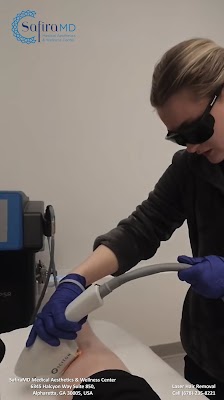
IPL devices in salons often get called lasers, but they’re not. Intense pulsed light is broadband, can be useful for lighter hair on lighter skin, and may offer affordable laser hair removal options, but true medical grade laser hair removal systems use a single wavelength and are more selective and powerful. If you want consistent reduction on a male back or chest, a dedicated laser hair removal machine - typically diode, alexandrite, or Nd:YAG - is the safer bet.
The three technologies you’ll hear about
Different wavelengths behave differently in skin. The best laser hair removal option is the one that balances efficacy with safety for your skin tone and hair type.
- Diode laser hair removal, commonly 805 to 810 nm, is a workhorse for coarse hair on light to medium skin. It penetrates well, hits the follicle efficiently, and newer handpieces with contact cooling make for quick laser hair removal across large zones like the back. Alexandrite laser hair removal, typically 755 nm, is strong on lighter skin with dark hair and can provide rapid results on the chest and shoulders. It’s less commonly chosen for darker skin tones due to melanin absorption higher in the epidermis. Nd:YAG laser hair removal, 1064 nm, is the go-to for dark and deeply pigmented skin because the wavelength bypasses much of the epidermal melanin. It’s more forgiving on tanned or richly pigmented skin and is often the safest laser hair removal procedure for Fitzpatrick IV to VI.
A good laser hair removal clinic will often carry at least two systems to fit different patients. During a laser hair removal consultation, a specialist should map your skin type, hair color, hair diameter, and growth density, then match settings to those variables. There is no single best laser hair removal system for every man. There is a best choice for you.
Back hair: large canvas, big payoff
Back laser hair removal is popular because it solves three real problems: grooming time, sweat control under clothing, and the discomfort of ingrown hair on the shoulders and along the lats. Waxing works for a weekend, but back hair rebounds quickly. Clippers leave stubble that itches under a dress shirt. Laser hair reduction treatment gives a durable baseline.
A typical plan runs 6 to 10 sessions, spaced about 6 to 8 weeks apart. Coarse, dark hair responds fastest. Lighter or mixed-color hair may need more visits. Many men see a 30 to 40 percent drop in density by visit three, with patchy regrowth in the upper back and shoulder caps that thins further over time. Expect individual stray hairs to grow slower and finer.
Session length for a full back ranges from 20 to 45 minutes depending on the laser hair removal provider and system. Modern diode platforms with large spot sizes can treat a full back in about 20 minutes. Nd:YAG can take a bit longer due to energy delivery and pass count. You may notice a faint singed hair smell during passes; that’s normal. Most clinics offer quick passes with chilled sapphire tips or forced cold air so the skin feels cool while the laser fires in pulses.
On pain: back hair removal is very tolerable for most. Sensation runs like a quick elastic snap with warmth that fades as the handpiece moves. Areas close to the spine and shoulder blades feel sharper. If you’re concerned, ask about topical anesthetic 20 to 30 minutes before treatment or use a clinic with strong integrated cooling. Painless laser hair removal is a marketing term. A more honest description is comfortable laser hair reduction with good cooling and skilled technique.
Chest hair: shape, density, and a natural finish
Chest laser hair removal gives you options. Some men want a smooth pectoral look year round. Others want to thin heavy density by half and keep a natural pattern. Laser can do both. The trick is clear communication during your laser hair removal appointment. If your goal is reduction, not removal, your specialist will use lower densities and more spacing to thin without erasing. If you want a swimmer’s chest, plan on full coverage and more sessions.
Chest hair grows in multiple directions and can be mixed density - thick centrally, softer near the collarbones and sides. The areolae require careful technique and conservative energy due to pigment. The sternum can sting, more because of nerve proximity than heat. Men often add shoulder laser hair removal and stomach laser hair removal to maintain a consistent line.
On average, chest laser hair removal needs 5 to 8 visits. If your hair is very thick or you tan easily, allow for a longer schedule or winter-only treatments to keep your skin at baseline tone. Chest hair that responds early tends to stay soft and sparse long term, with 1 to 2 maintenance sessions per year if you prefer a low density finish rather than completely smooth.
Beard line and neck: edges that last
Of all areas, the beard line delivers the most daily value when done well. Constant shaving on the upper cheeks and front of the neck leads to razor bumps, irritation, and post-inflammatory hyperpigmentation. Facial laser hair removal in this zone reduces that cycle. The goal is a clean, repeatable boundary that matches your face shape, and a neck free of ingrowns.
A good laser hair removal specialist will mark your ideal beard line while you’re seated and making natural expressions, not lying down. Edges should account for future styles - for example, a slightly more conservative cheek line so you can grow a fuller beard later without visible gaps. On the neck, plan to treat from just under the jawline to the collar for most men, with attention to the Adam’s apple where skin is thinner.
Beard hair is dense, and the vascular nature of facial skin sometimes means more sessions. Expect 6 to 10, spaced 4 to 6 weeks apart, with earlier visible relief of ingrown hair. If you’re prone to folliculitis, you’ll likely notice fewer bumps after the first or second visit. Many men add upper lip laser hair removal for stray hairs near the vermilion border or selective chin laser hair removal for symmetry. If you shave daily, switching to every other day or a quick trim is a common result after a few treatments.
Preparing well makes the difference
Good preparation protects the skin and lets the laser find the follicle. Most issues I see - hot spots, perifollicular inflammation that lingers - happen when patients arrive tanned or skip simple steps. Treat the prep as part of the laser hair removal procedure, not an afterthought.
- Shave the treatment area 12 to 24 hours before your laser hair removal session. Leave a faint shadow if your hair is very fine so the specialist can see directionality. Pause waxing, threading, and depilatory creams for at least 3 to 4 weeks before starting. You want the follicle intact for the light to find. Avoid active tans and self-tanner on the treatment area for 2 to 3 weeks. Darkened epidermis increases risk with alexandrite and diode systems. Nd:YAG is more forgiving but not a free pass. Skip strong actives on the face and neck for 3 to 5 days before treatment - retinoids, benzoyl peroxide, glycolic or salicylic acids - especially if you’re doing a beard line. Tell your provider about photosensitizing medications and supplements. Some antibiotics, isotretinoin history, and herbs like St. John’s wort matter.
What to expect during and after
At a professional laser hair removal center or medical spa, your specialist will review your history, examine hair and skin, and do a test spot. Eye protection goes on. Gel may be applied for contact cooling systems. Then you’ll feel quick pulses in a gridlike pattern. Treatment speed depends on spot size and pulse frequency. Diode platforms often “glide,” where the handpiece moves continuously. Alexandrite and Nd:YAG often treat as individual pulses with overlap.
Immediately after, you may see perifollicular edema - tiny pink bumps around each follicle - and mild redness, both signs the follicle absorbed heat. This settles in hours, sometimes by the next day. Apply a bland moisturizer or pure aloe, not actives. Avoid hot showers, saunas, and intense workouts the rest of the day. If you’re doing chest or back, a breathable shirt helps.
Hairs in treated zones may look as if they’re growing in the first week. In reality, the body is expelling treated shafts. They shed with light friction in 10 to 20 days. Don’t tweeze. Shaving is fine between visits. If you’re prone to ingrowns, a gentle salicylic wash two to three laser hair removal GA times a week after the first 48 hours can help, provided your skin tolerates it.
Safety across skin tones and hair types
Safe laser hair removal is not just a slogan; it’s a protocol choice. Skin rich in melanin needs larger spot sizes, longer pulse durations, and wavelengths that spare the epidermis. That usually means Nd:YAG on Fitzpatrick IV to VI, or very conservative diode settings with excellent cooling and an experienced hand. If your skin is light and your hair is coarse and dark, alexandrite and diode both work well with faster progress.
Light, fine hair is the edge case. If your hair is blond, red, gray, or very light brown, the laser has less pigment to find. Results can be modest. Some men in this category choose a mix of laser hair reduction on darker patches and periodic waxing where laser won’t give return on investment. Be wary of anyone promising full clearance on light hair with standard lasers; that claim doesn’t fit the physics.
Men who scar easily, have active eczema or psoriasis in the area, or have a history of keloids should discuss risks carefully. The same goes for anyone with a recent course of isotretinoin. Good laser hair removal experts will either adjust or delay treatment.
Cost, value, and realistic budgeting
Laser hair removal pricing varies by city, provider expertise, and system. What I see broadly in clinics:

- Back laser hair removal price per session: roughly 250 to 600 USD, with package deals that bring it to 200 to 450 per visit when bought in a series. Chest laser hair removal cost per session: often 150 to 400 USD, again lower in a package. Beard line and neck laser hair removal: 100 to 300 USD per session depending on whether you include the full front of the neck and under the jaw.
Affordable laser hair removal doesn’t always mean the cheapest. Look for a laser hair removal clinic with medical supervision, consistent before and after results, and technology appropriate to your skin. A clinic that offers a free laser hair removal consultation near me is common, and many provide laser hair removal packages that reduce overall cost. Read the fine print on specials and offers to ensure touch-ups or no-show policies are clear.
A fair question: is quick laser hair removal real? Large spot sizes and higher repetition rates shorten chair time, but the physics still require multiple passes across sessions. The quicker part is the visit, not the overall journey. Most men finish their core series in 6 to 10 months, then shift to maintenance.
Choosing a provider and technology fit
Laser outcomes depend on the person holding the handpiece. A skilled laser hair removal provider will:
- Match the laser hair removal technology to your skin and hair, not force a single device on everyone. Adjust fluence, pulse width, and cooling based on test spots, not guesswork. Track your results each visit with photos and settings so adjustments are data driven. Educate you on maintenance, sun behavior, and what to expect between visits.
Ask to see case photos on men with similar skin tone and hair density in the same area you want treated. If you’re a man with darker skin considering chest or beard line work, verify they routinely use Nd:YAG. If you tan for sport or work outside, be honest. Your specialist can time sessions for your calendar or choose safer settings. Look for a laser hair removal center that welcomes questions. A rushed consult is a red flag.
A realistic session-by-session arc
Men often want to know where they’ll be at visit two, four, or six. There is variation, but a common arc looks like this:
First visit: test spots guide energy. You feel the pattern of the treatment and see mild redness after. By the second week, you notice treated hair shedding. Skin feels smoother where density was high.
Second visit: more even coverage at slightly higher settings if the test spots behaved. Ingrown reduction begins in beard and neck zones. Back and chest show slower, cleaner regrowth.
Third to fourth visits: visible thinning. Hair that returns is softer, in patches. Shaving gets easier. On the beard line, you likely shift to a defined edge and only shave the remaining beard as desired.
Fifth to sixth visits: for back and chest, density is usually reduced by half or more. Treatment intervals may extend another week. Maintenance becomes a discussion. Some men stop at a natural look and return seasonally. Others complete eight or more sessions for near smooth.
Comfort tips from the chair
Small changes add up. Hydrated skin conducts heat more evenly, so drink water and moisturize in the days before treatment. On the day of, skip heavy lotion or oils that block good contact. Wear a clean, soft shirt after back or chest work to reduce friction. For beard line sessions, shave neatly, but not razor-close to the point of micro-cuts. If you have a history of post-laser itch, ask about a light antihistamine beforehand with your clinician’s approval.
Cooling is your friend. Clinics with advanced laser hair removal systems often have integrated sapphire tips or cold air that follow the beam. If the handpiece doesn’t feel cool between shots, say something. Skilled operators want feedback to balance safe energy with comfort.
Why men stick with it
Anecdotally, the two moments that sell men on laser hair reduction happen early. First, when you realize you haven’t shaved your neck in a week and your collar still looks clean. Second, when a thick back hair patch that always ingrew under your backpack strap stops erupting. Over time, the daily friction on your skin goes down. Body lotion works better. Shirts move better. Gym days feel nicer. If you travel for work, not packing a trimmer for your back or neckline is a quiet relief.
The other win is control. Laser hair removal for men is not all or nothing. You can keep a chest with shape, just lighter. You can define a beard edge and still have the option to grow a winter beard. A good plan respects your style and your biology.
Common questions answered directly
Is it safe for sensitive skin? Yes, with the right wavelength and cooling. Laser hair removal for sensitive skin often relies on longer pulse durations and chilled contact. Always start with conservative settings and a test spot.
Does it work on dark skin? Laser hair removal for dark skin is both safe and effective when using Nd:YAG and experienced technique. Avoid alexandrite on recently tanned or deeply pigmented skin unless your provider is extremely cautious.
Can I work out the same day? It’s better to wait until the next day. Heat, sweat, and friction can irritate freshly treated follicles.
How many sessions will I need? Most men need 6 to 10, sometimes more on beard lines. Hormones, genetics, and hair color drive the number. A personalized laser hair removal treatment plan is more accurate than any generic promise.
What about full body laser hair removal? It’s an option if you want synchronized sessions across back, chest, shoulders, arms, and legs. The main variables are time in the chair and budgeting. Many clinics offer laser hair removal package deals that reduce cost per area.
When to pause or pivot
If your hair is light and your results after four sessions are minimal, talk with your provider. Some areas with low pigment don’t justify more passes. If your skin remains irritated for more than 72 hours after each session, reassess settings, wavelength, and cooling. If your schedule keeps you tanned year round, plan your series in fall and winter or stick to Nd:YAG for body laser hair removal. Medical laser hair removal is powerful, but it rewards patience and timing.
Finding the right place to start
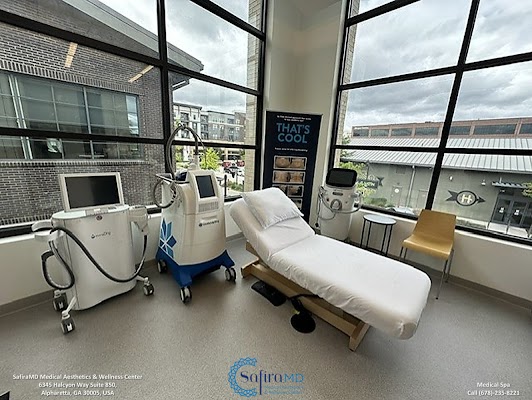
Searching for laser hair removal near me will surface everything from boutique studios to dermatology-led practices. Narrow your list by asking whether they offer diode, alexandrite, and Nd:YAG, or at least a combination that suits a range of skin types. Ask who performs the treatment - nurse, PA, physician, or trained laser technician - and who supervises protocols. Look for transparent laser hair removal pricing and clear photos of laser hair removal results on men. A thoughtful laser hair removal clinic services page should mention preparation, aftercare, and contraindications, not just specials.
If you prefer a medical setting, choose a laser hair removal medical spa with physician oversight. If you value speed and convenience, a high-volume laser hair removal center with advanced laser hair removal systems and large spot sizes might fit. The best laser hair removal experience is one where you feel heard, not herded.
Bringing it all together
Laser hair removal for back, chest, and beard line sits at the intersection of physics and preference. The physics say dark, coarse hair on lighter skin responds quickest to alexandrite and diode, and darker skin does best with Nd:YAG. The preference is yours - a smooth torso, a thinned and natural chest, or beard edges that look like you had time every morning when you didn’t. Most men, when treated by laser hair removal experts who tailor settings and pace, end up with fewer ingrowns, easier grooming, and skin that tolerates life better.
If you’re ready to move from reading to planning, book a laser hair removal consultation. Bring your questions. Share how you live and what you want to look like on your busiest week. A skilled laser hair removal specialist will translate that into a plan - sessions spaced to your calendar, technology matched to your skin, and maintenance you barely notice. That is what professional laser hair removal is meant to deliver: less friction, more control, and time back to spend on better things.